
Values in Gilmer County Records
Gilmer County's valuation records sit inside West Virginia's annual assessment system. The Assessor determines true and actual value for each parcel. State law then fixes the assessed level. In the assessment portal, you can filter land, building, total appraisal, acreage, sale date, and sale price as separate fields. A deed's consideration records what a transaction stated. An assessor value serves the tax system. Neither figure alone tells you what a property would fetch on the market today.
| Value | What It Is | Where |
|---|---|---|
| Assessed value | Tax value set at 60% of true and actual value | Assessor roll |
| True and actual value | Full-value basis used for assessment | Assessment process |
| Appraisal fields | Land, building, and total appraisal values | WV assessment search |
| Last sale price | Consideration tied to a dated transaction | Assessment sales / recorded deed |
State law assesses West Virginia property each year at 60 percent of true and actual value. Sales can close before or after the assessment date. Markets move too. A sale amount is not an appraisal. The assessed figure is not a buyer's price. Whenever you compare numbers, carry the record year and the transaction date along with them, since the gap between those dates often explains the gap between the values.
Finding a Gilmer County Value
Start in the assessment portal with a street, an owner, or a parcel number. Then open the parcel detail. Appraisal/Sales mode widens the search considerably. It adds ranges for land, building, total appraisal, calculated and deeded acres, sale dates, and sale prices. Results can also display a legal description and a GIS ID. That keeps a comparison anchored to the right parcel. Write down the tax year beside whatever figure you take.
- Find the parcel by address, owner, or full IAS identifier.
- Open the detail report and note land, building, total, and assessed values.
- Use Appraisal/Sales filters to locate sale dates or prices where relevant.
- Check the recorded deed and retain the transaction date and legal description.
- Compare like properties only after confirming the parcel and assessment year.
- Assessed value
- The value used in the tax system for a given assessment year.
- True and actual value
- The full-value measure used as the base for West Virginia assessment.
- Assessment ratio
- The assessed share of full value; West Virginia uses 60 percent.
- Sale consideration
- The amount tied to a recorded transaction, not a current appraisal.
What a Gilmer Value Cannot Tell You
An assessed value exists for taxation. It does not promise what a parcel would sell for. A sale price belongs to one dated transaction, nothing more. The Assessor works through mass appraisal and periodic physical review, so a figure can lag an individual appraiser's or buyer's current view. A tax roll or map value is no substitute for a professional appraisal of the property.
Value vs price. Gilmer County’s assessed amount follows a tax rule, not a one-property sale appraisal. Use a qualified appraiser for a current market valuation.
Gilmer’s Sixty Percent Assessment Level
West Virginia Code §11-3-1 requires annual assessment at 60 percent of true and actual value. The assessment date is July 1. That ratio is why the assessed number sits below the full-value basis. It does not mean the property will trade at the higher figure. Nor does it mean every valuation reflects the current day. The statute simply sets the arithmetic.
The Assessor sets fair-market or true-and-actual value for the tax year. The state formula then determines the assessed share. When you set a deed consideration beside a roll value, keep the dates in view. Keep the purpose of each in view as well. A difference between the two numbers is not, by itself, proof of a mistake anywhere.
Annual Review and Gilmer Revaluation
West Virginia reassesses on a three-year physical review cycle with annual adjustments between reviews. Gilmer County's parcel records show land, building, and total appraisal fields through the state search. For the exact method applied to one improvement, ask the Assessor directly. The office publishes no county-level trend table of its own.
A qualifying assessment increase triggers notice by January 15. Valuation appeals to the Office of Tax Appeals carry a March 31 deadline. Those dates govern review only. Bills and payment status live in the tax record instead. The Gilmer County tax record route explains ticket and appeal details.
Where Gilmer Sale Prices Appear
Two offices hold Gilmer's sale information, and each answers a different question. The assessment portal's Appraisal/Sales mode filters by sale date and price. It also covers land, building, total appraisal, and acreage. The Clerk's deed index identifies the recorded conveyance and the instrument date. It also lists the parties and the book and page. Use them together. The assessor filters help you find transactions. The deed reference then ties the parcel to the filed transfer itself.
A recorded consideration can reflect an old deal, a family transfer, or other circumstances. Never assume it equals an arm's-length current market price. The portal posts no stated cost for online deed images. Capture the index reference. Then ask the Clerk about a copy when you need the image itself. The WV assessment portal provides Gilmer appraisal and sales filters.
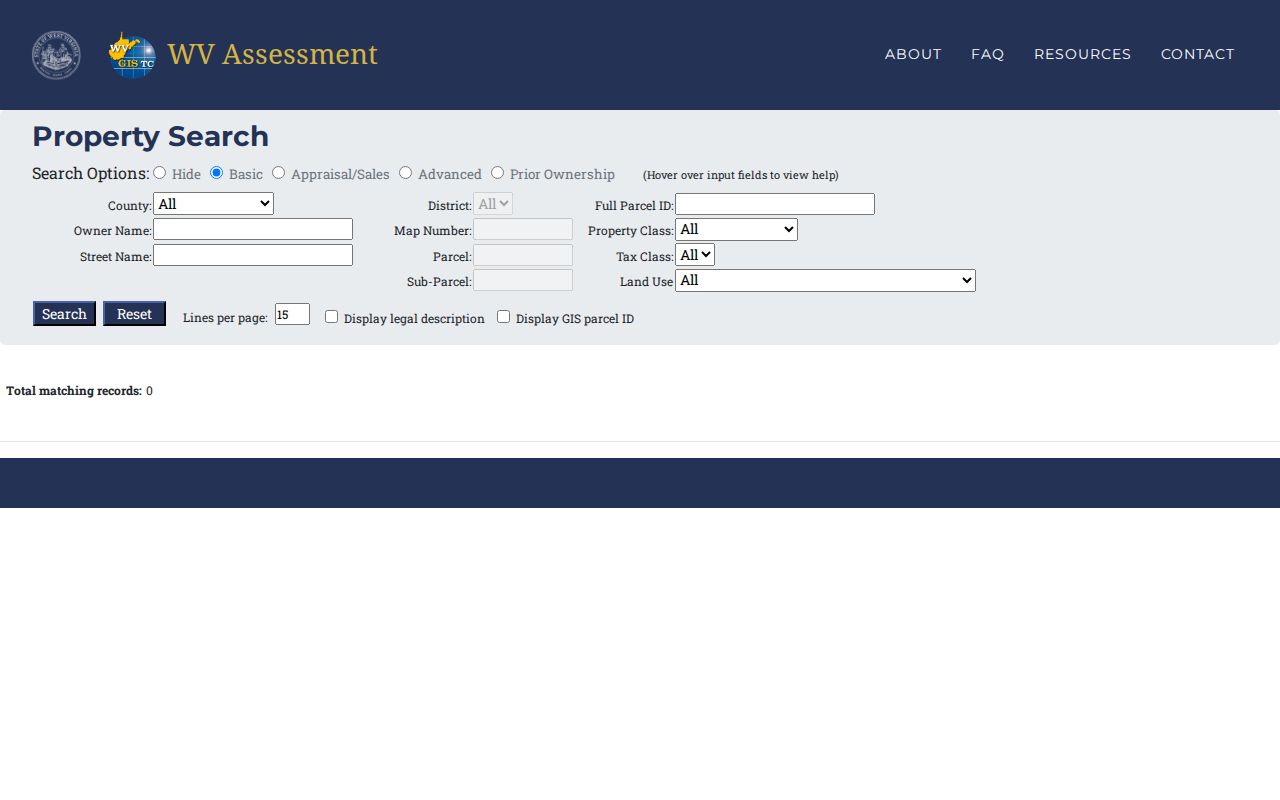
Use sale and appraisal fields to find records, then compare their dates and definitions.
Land, Building, and Total Fields
Gilmer's assessment search separates minimum and maximum land appraisal, building appraisal, and total appraisal. Further filters cover calculated acres, deeded acres, and building characteristics. That structure lets you isolate one parcel. Or you can gather a set of records with similar size and value fields. Compare property traits before setting two values side by side.
The desktop parcel viewer displays cost values and appraised values. It shows these alongside building information and the physical address. Its compact map list is not a valuation report. Open the linked detail instead. Write down the exact field labels. Keep the roll year with them rather than copying a single total. The desktop parcel detail includes the building and value sections.
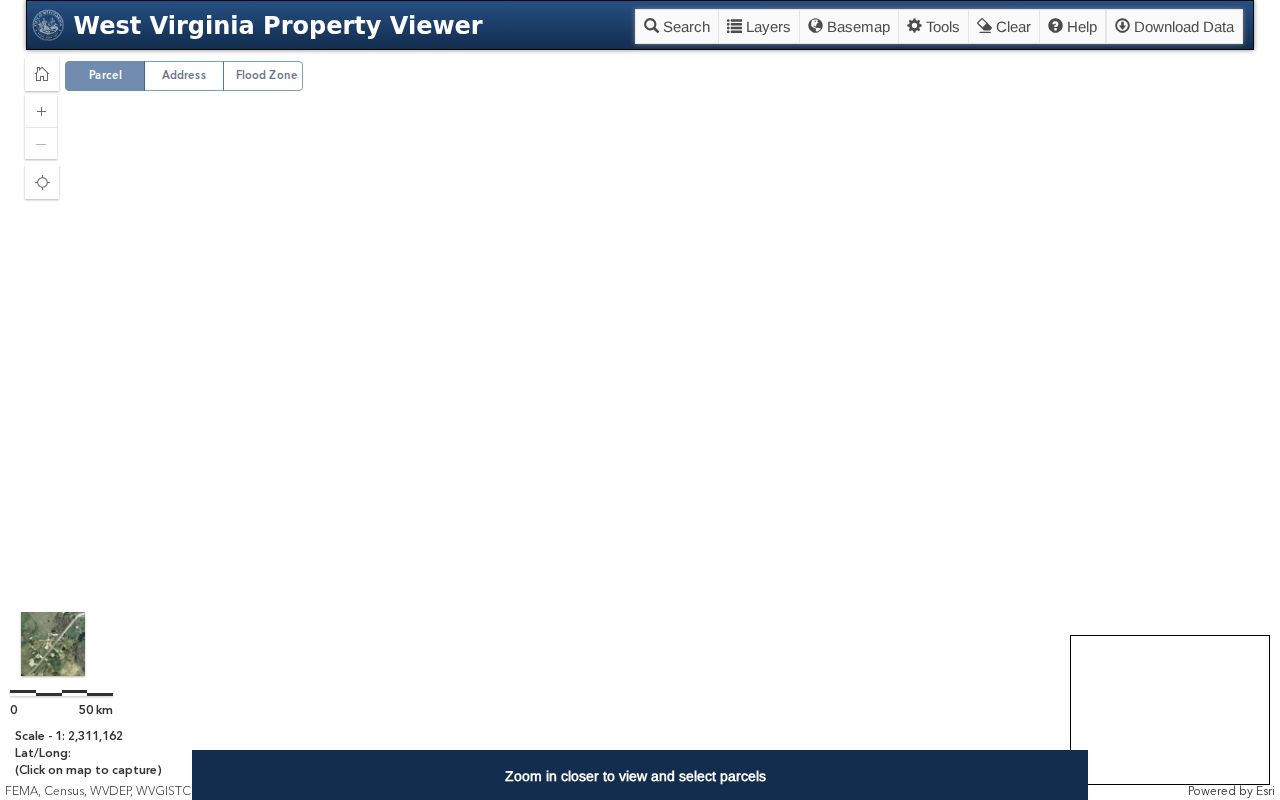
Keep land, building, and total values separate when making a comparison.
Exemptions and Taxable Burden
An exemption lowers a taxable burden, but it never changes who owns the parcel. The Assessor keeps the exemption information. Still, the county publishes no complete Gilmer County exemption list or eligibility guide. So treat any relief program as unconfirmed until the office says otherwise. Bring the parcel number. Ask the Assessor directly which programs are current and what documents each one needs.
Billing questions go elsewhere. For a tax bill, a payment, or delinquency status, use the Sheriff/Treasurer's Web Tax Inquiry. For assessed value or an appeal, rely on the roll and the notice. A property value search explains what the figures mean. The tax record carries billing and review details instead.
Sale Value Is Not Title Evidence
A sale price proves a transaction, not ownership. The deed does that work. It names the conveyance and the grantee. The tax roll ties an owner of record to an assessment year. The sale field reports one amount. Confirm any new transfer with the latest recorded deed, and read its legal description closely. A value figure is useful context, but it is not title evidence.
Rural parcels complicate comparisons. In Gilmer County, map IDs can change. Land may be described by roads, streams, and adjoining owners rather than a tidy address. Carry the full parcel number and the recorded description into any comparison. Resist reading a market trend into a single transaction or a countywide ratio. For a tax notice or appeal, take the separate Gilmer County property-tax records route.
Keep Assessed Value Separate from Sale Price
West Virginia assesses property annually at 60 percent of true and actual value. A three-year physical review cycle applies, with annual adjustments in between. The figure on the roll is a tax measure, plain and simple. It may not match a recent sale amount or a present-day offer. The assessment search's Appraisal/Sales mode filters by land, building, total appraised value, acreage, sale date, and price. A recorded transaction reflects one date and its own terms. It is not a guaranteed current value.
The appeal calendar is tight. Notice is due by January 15 for a qualifying increase. The owner's county Board of Equalization and Review comes first. The Office of Tax Appeals deadline is March 31. Keep the notice, parcel ID, comparable sales, and any building area or year information together. Have these on hand when preparing a review. The county publishes no current exemption inventory. It also publishes no town-by-town trend series. Do not infer either from a single parcel record. Ask the Assessor how a specific field was derived. Follow the notice for the applicable review steps.