
Inside a Gilmer County Tax Record
Gilmer County splits this work across two linked systems. The state assessment portal carries the parcel and appraisal data. The Sheriff/Treasurer inquiry carries the tickets and their payment state. Read every result against its year and its parcel reference before relying on it. A tax bill, an appraisal field, and a recorded sale price each describe a different event, so none of them can stand in for the others when you want a property's present worth. Match the parcel number across both systems first. The comparison usually settles any confusion about which record answers which question.
| Field | What It Shows | Where |
|---|---|---|
| Assessment roll | Owner of record, parcel, appraisal, and sale search fields | WV Real Estate Assessment |
| Tax ticket | Year, type, ticket, name, account, map-parcel, description | Gilmer Web Tax Inquiry |
| Amounts | Total paid, billed, half-year figures, and total due | Gilmer Web Tax Inquiry |
| Mailing detail | Billing address where the ticket is sent | Gilmer Web Tax Inquiry |
| Assessment appeal | Notice and review rights after qualifying increases | West Virginia law / Assessor |
West Virginia law sets the assessment at 60 percent of true and actual value. That figure drives the ticket. A sale price, by contrast, reflects what parties paid at one moment in time. An appraisal is only an estimate of value. The ticket itself records what was billed and what was actually paid. The county publishes no current inventory of Gilmer exemptions. Do not assume a particular relief program appears on every parcel.
Finding a Gilmer County Tax Ticket
The Sheriff doubles as Treasurer for Gilmer County. The office collects state, county, municipal, and school taxes. The online inquiry accepts a parcel or account context and returns selectable years. Viewing and printing a tax ticket is free. Paying online adds a Certified Payments fee. Reconcile the tax account against the assessment roll with the map-parcel, because a billing address may be a P.O. box or a mailing address far from the land itself. That single check prevents most mix-ups between a tax account and the parcel it covers.
- Identify the district/map/parcel or tax account from the assessment result.
- Search the Web Tax Inquiry and choose the tax year or ticket.
- Compare total billed, total paid, first and second halves, and total due.
- Match the map-parcel and description to the Assessor and parcel viewer.
- For delinquent status or a sale process, contact the Sheriff/Treasurer and request current instructions.
- Assessed value
- The statutory tax value for the assessment year.
- True and actual value
- The full-value measure used as the basis for the 60 percent assessment level.
- Billing address
- The destination for a tax notice, which may differ from the parcel location.
- Delinquent land
- Land subject to a tax collection process; confirm status with the custodian.
Gilmer County Assessment Review Dates
West Virginia assesses property annually as of July 1, at 60 percent of true and actual value. The Assessor’s role includes fair-market valuation for each tax year and an annual update within a repeating three-year physical review cycle. A qualifying increase triggers notice by January 15. The owner may seek an adjustment through the local review path and, if needed, file a valuation appeal with the Office of Tax Appeals by March 31.
Appeal window. Keep the January 15 notice and the March 31 Office of Tax Appeals date distinct. The earlier notice concerns qualifying assessment increases; the statutory appeal deadline is March 31.
Reading the Gilmer Tax Inquiry
The Web Tax Inquiry displays several columns. These include Year, Type, Ticket, Name, Total Paid, Total Billed, First Half, Second Half, Total Due, Account No., Map-Parcel, Description, and Billing Address. Start from the parcel or account. Then verify the name and land description before trusting any amount. A prior year still helps with payment history. It cannot tell you whether the assessment roll has changed since.
The county's home page notes that viewing and printing a ticket are free. Online payment carries a Certified Payments fee. The Sheriff/Treasurer office sits at 10 Howard Street in Glenville. Its public contact number is 304-462-7441. For a balance question, ask the office directly. The same goes for a delinquent process the display leaves unclear.
The official Gilmer tax inquiry shows the ticket and payment columns used for the online lookup.
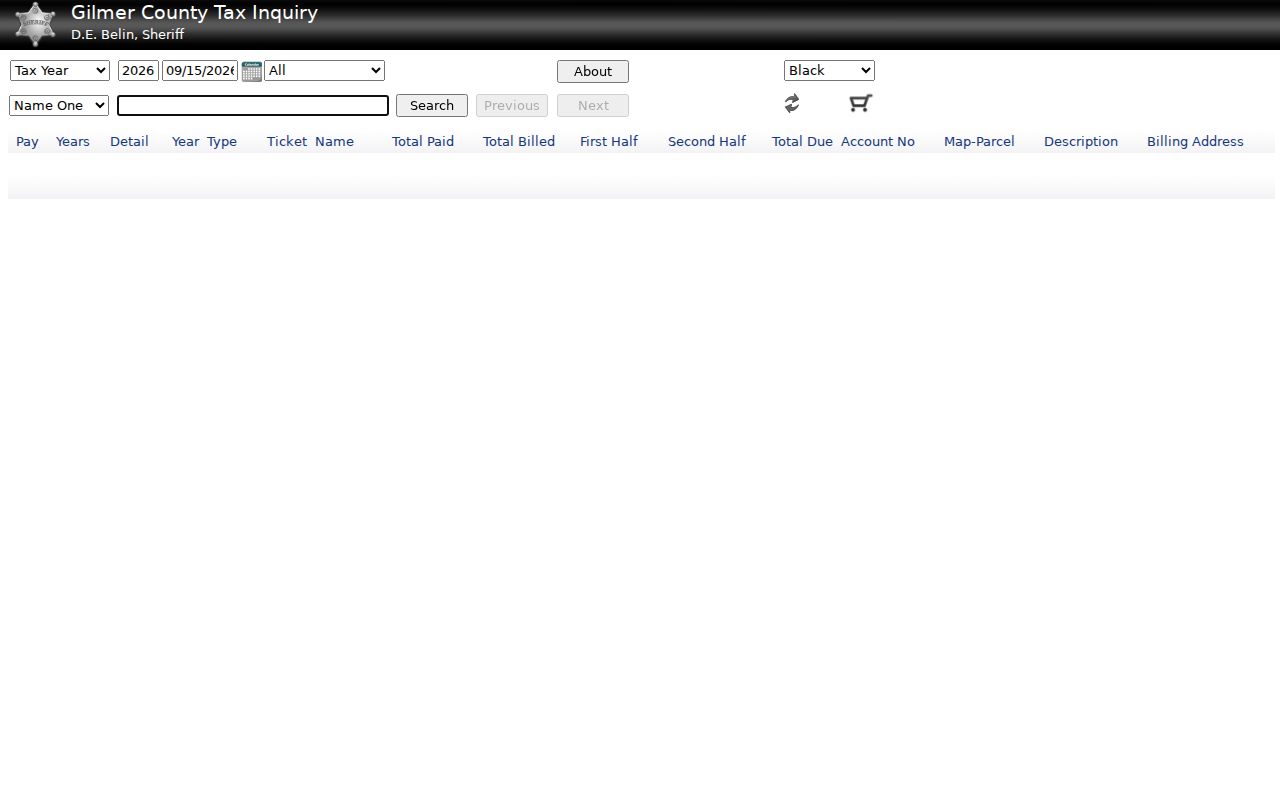
A billing address is only a notice destination. Compare it against the situs and the map-parcel before matching any property to a tax record.
July 1 and the Gilmer Owner Roll
July 1 anchors the whole assessment year. Gilmer County assesses taxes to the owner of record on that day. A deed recorded after July 1 may not reach the latest roll. So the tax record can still show the prior owner even after a closing. The county publishes no refresh interval or average lag for the roll. When a transfer is recent, check the roll against the latest Clerk deed. Do not wait for an update.
West Virginia requires the three-year review cycle with annual adjustments. The assessment portal's owner name and mailing address work well for matching a tax record. But the deed remains the evidence of a recorded transfer. Keep the roll year and the deed recording date in separate notes. Neither one corrects the other; each answers its own question.
Gilmer Value Fields and Sale Filters
The Appraisal/Sales mode of the assessment portal takes filters for minimum and maximum land appraisal, building appraisal, total appraisal, calculated acres, deeded acres, sale dates, and sale price. Those controls can locate a group of transactions or narrow a property list quickly. Advanced options add building year, structure counts, building area, flood hazard, mailing address, deed book, page, and legal description. Together they support serious assessment review.
They do not create a professional valuation, though. The portal offers no published local exemption list or official city-by-city trend table. A recorded consideration belongs to a past transaction. Assessed value follows a statutory schedule. So neither is a promise of what the market will pay today.
The WV assessment search presents the Gilmer owner and appraisal/sales filters.
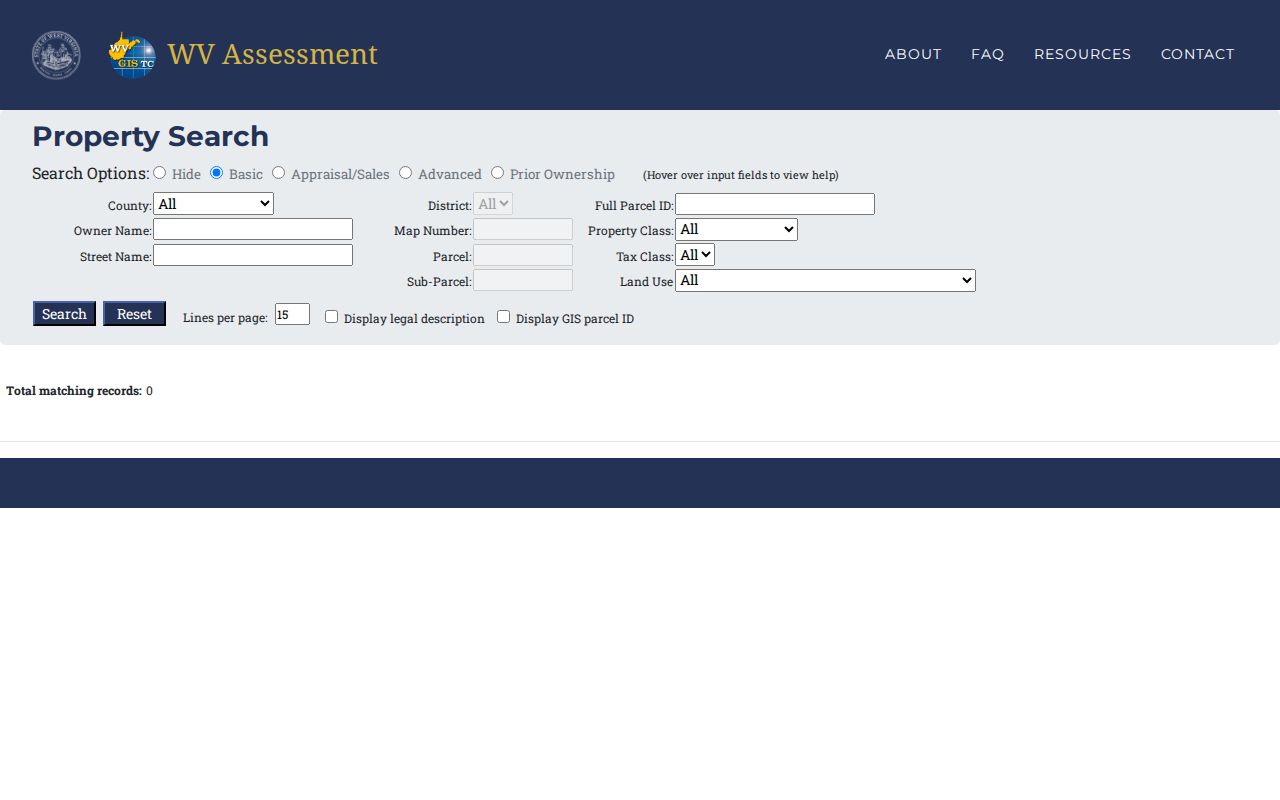
Pick the field group that fits your assessment question. Then keep the parcel ID and tax year with whatever you find.
Notices and a Value Appeal
A qualifying assessment increase obligates the county to send notice by January 15. An owner who disagrees with the valuation starts with the Board of Equalization and Review. From there, the statutory route runs to the Office of Tax Appeals. Appeal filings are due by March 31. The Assessor's office can supply the current forms and hearing details for Gilmer County. The official notice statute spells out the January notice rule for qualifying increases.
Strong evidence targets the parcel and its value date. Bring assessment details and property characteristics. Add comparable sale records and any corrections to acreage or structure data pulled from the property records. Remember that the tax ticket is not an appeal form. State law defines the process, and the West Virginia notice provision governs when notice must go out.
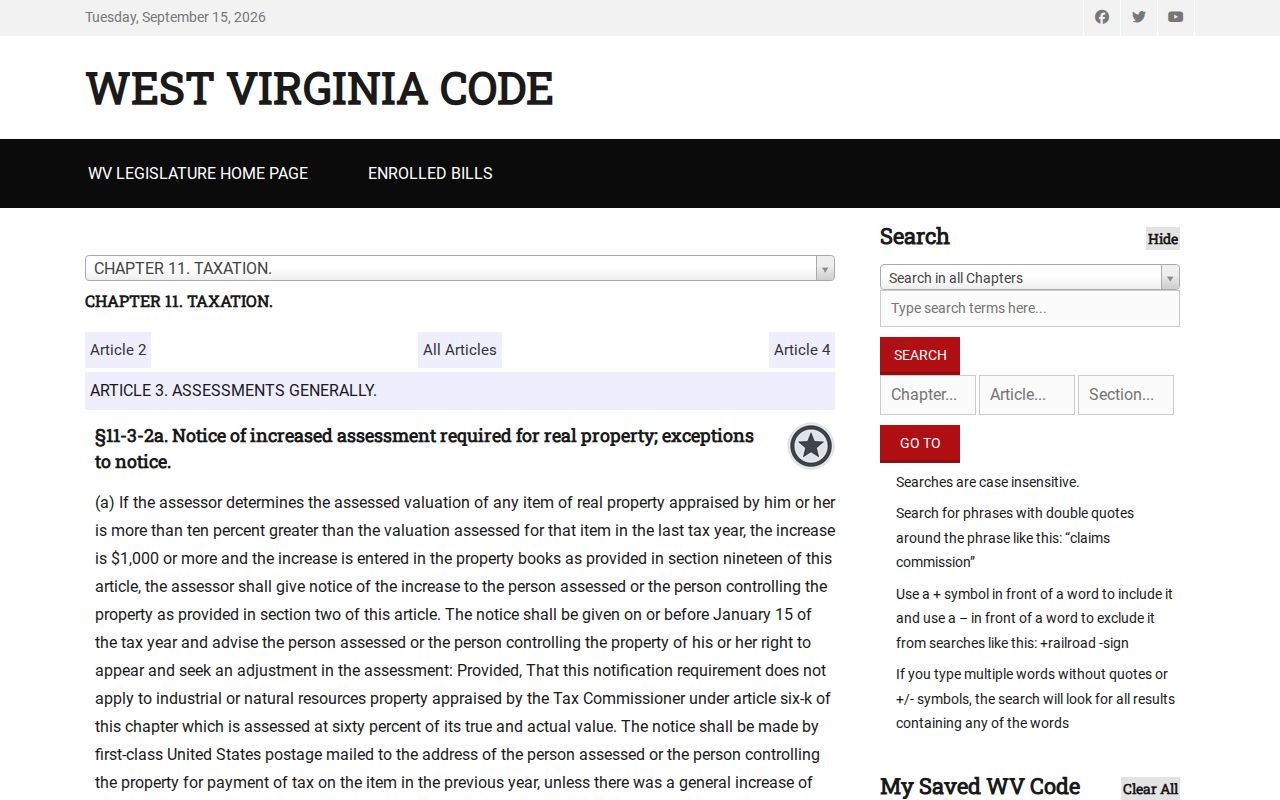
Read the notice and the appeal instructions together. That way the correct date and review body are used.
Delinquency and Recorded Tax Sales
A delinquent flag on the tax portal is a clue, not a conclusion. Dig deeper before assuming anything. The Clerk's index covers Record of Delinquent Land, Tax Deed, Trustee Sale, Report of Sale by Deputy Commissioner, judgment, deed of trust, and release entries. Collection and delinquent enforcement belong to the Sheriff/Treasurer. The County Clerk records the related instruments. A notice, balance, or listing never proves a sale has closed.
Confirm a completed transfer with the recorded deed itself. Review any redemption or release document alongside it. The State Archives hold microfilm of delinquent tax sales covering 1848 to 1872, an old historical series rather than a current list. The county publishes no current sale calendar, redemption deadline, publication paper, deposit amount, or delinquent-list URL, so ask the office for live details before acting.
Local Tax Records and Parcel Geography
Gilmer County includes the incorporated towns of Glenville and Sand Fork. Assessment and taxation stay county and state functions. A mailing address proves nothing about municipal boundaries. Your tax bill's map-parcel and property description are better cross-checks than a ZIP label. The billing address may simply be a P.O. box or a separate residence.
For a parcel near town, compare the WV parcel view with the current assessment record. Ask the Sheriff/Treasurer about tax ticket details. Ask the Assessor about the tax roll. Remember that the roll is a tax record. It is not a deed chain. Verify any recent conveyance against the Gilmer County Clerk's recorded index.
Read the Ticket as a Payment Record
The Web Tax Inquiry breaks a tax account into yearly tickets. Each ticket shows its type and number. Owner name, total billed, total paid, and first- and second-half amounts all appear. So do total due, account number, map-parcel, property description, and billing address. Check the year and ticket type first. Comparing mismatched results wastes time. A zero balance describes the payment account at one point in time. It says nothing about title. It cannot confirm whether a later instrument was recorded.
The county lets visitors view and print a ticket free of charge. Online payment runs through Certified Payments, with a processing surcharge added. The county posts no delinquent-sale calendar, bidder deposit, or redemption deadline. No tax ticket should be read as word of a scheduled sale. For a delinquency or posting question, contact the Sheriff/Treasurer at the county office. Have the ticket year, number, and parcel reference handy. Staff can then separate similarly named accounts.