
The Gilmer County Owner Record
Gilmer County anchors its tax roll to a single moment each year. The assessor lists the owner tied to each parcel as of the assessment date. In this county, taxes are assessed to the owner of record on July 1. That date is firm. It is not a live feed from the clerk's recording desk, though. A deed filed last month may not show yet. Read the owner line together with the parcel, the situs, and the mailing address. Add the deed reference too. Compare all of it against the most recent recorded conveyance. Trust the name on the roll only after that.
| Owner of record | Name on the tax roll for its assessment date |
|---|---|
| Mailing address | Destination for tax notices, possibly off-site |
| Situs / physical address | Where the parcel is located |
| Parcel identifier | District, map, parcel, suffix, and special ID |
| Deed book and page | Reference for a related recorded instrument |
| Last sale information | Appraisal/Sales filter and Clerk deed context |
The owner of record is not always the person living there. A mailing address is not the situs either. Gilmer parcels are often held by an LLC, a trustee, or an estate. Some parcels also list several co-owners at once. Map results can flatten that reality, since the summary line may display only one name. Pull the detailed assessment report and read the deed vesting clause. That is how you confirm the complete ownership record.
Confirming the Gilmer Owner Today
Treat the roll as a locator, not the final word. Verification lives in the recorded transfer. The assessor's search can find a parcel by street, owner, parcel parts, mailing address, deed book and page, or legal description. The clerk's index holds the deed itself. Once there, search the latest grantee. Match the parcel's legal description across both records rather than trusting a shared name, which can belong to a relative or a former owner with similar identifiers.
- Open the assessment record and note owner, parcel, mailing address, and roll year.
- Search the Clerk IDX for the owner as grantee and capture date, instrument, and book/page.
- Read the deed’s legal description and capacity or vesting language.
- If an LLC appears, check its WV organization filing for registered office and agent details.
- Ask the Assessor whether a just-recorded transfer has reached the current roll.
- Owner of record
- The party named in the assessment roll for that year.
- Vesting
- The capacity or form in which an interest is held.
- Recording lag
- The interval before a recorded transfer is reflected in a roll update; Gilmer publishes no average.
- Registered agent
- A state-filed contact for an entity, not necessarily its owner.
Contacting a Gilmer County Owner
The mailing address on the tax roll is simple. It is where the assessor sends notices for that account. It might be the owner's home. It could be an agent, a company, a trustee, or an estate. The situs address is different, because it points to the actual land. Keep that distinction clear in any notes you keep on the parcel. Use the mailing field only for a lawful property matter. The public record says nothing about who occupies the house.
Lawful use. Gilmer County owner records can support a property question or civic research. Do not use names or addresses to stalk, harass, threaten, or intimidate anyone.
Gilmer Roll Date and Transfer Lag
West Virginia sets July 1 as the assessment date. Gilmer County uses that day to fix the owner of record for tax purposes. A closing after July 1 can appear in the clerk's deed index well before the assessor's next roll update. The county publishes no set schedule for that refresh. So a gap between the two records is normal after any recent sale. When the roll and the deed disagree, note each record's own date. Then ask the assessor about the transfer status of the parcel. A deed filed with the clerk is the stronger evidence of the latest recorded transfer. The roll still governs the assessment-year tax account. Never infer ownership from a tax bill alone. Do not rely on a map popup right after a sale.
Mailing and Situs in Gilmer
The assessment form keeps Mailing Address, Street Name, and Legal Description as separate search fields. The viewer's detail page likewise splits owner address from physical address. That split matters in Gilmer. One rural tract can carry a postal route, a P.O. box, and a modern E-911 address. A tax mailing address can look nothing alike. Use the situs to find the land. Use the mailing field to see where notices go. E-911 address mode will not accept rural route or P.O. box inputs. When those are your only clues, search the assessor by owner, street, or map. Use the parcel number instead. Then compare the legal description to rule out a similarly named parcel. The WV parcel detail view displays the separate address and owner sections side by side.
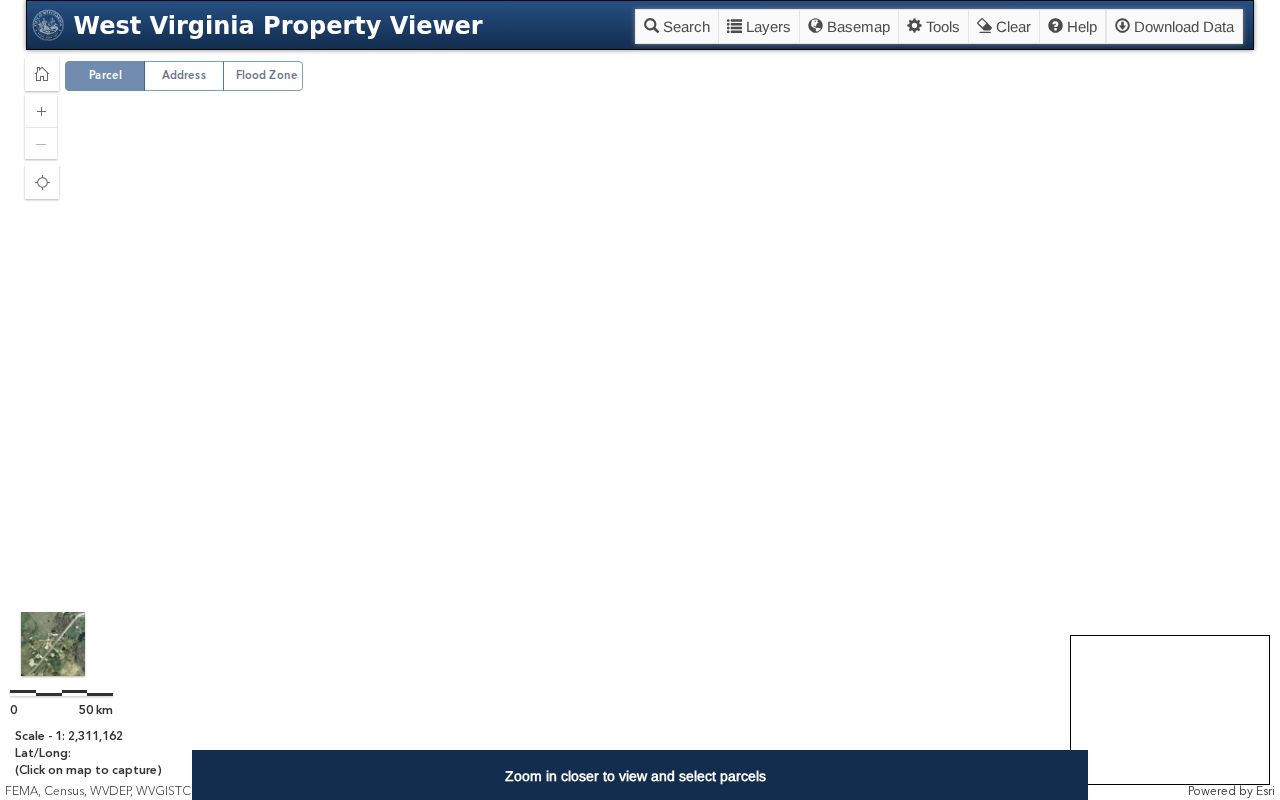
Check both address fields against the property and its tax ticket before treating either one as a match.
One Map Owner, Several Vested Parties
The WV Property Viewer's own documentation notes that its list can show just one owner. The detailed parcel page still helps. But the deed may name joint grantees, a trustee, a company, or an estate representative. Find the instrument in the clerk's index and read the full vesting clause. For a business owner, the WV Secretary of State search lists officers and a registered agent. It cannot prove beneficial ownership, though. An owner's death changes the picture. A fiduciary filing or an affidavit of heirs often explains the transfer. The county clerk's index covers several record types. These include Will, Fiduciary, Inventory, Settlement, Affidavit of Heirs, and transfer-on-death beneficiary records. Compare that estate paper against the deed that actually changed the land record.
Assessment Fields for the Current Owner
The WV Real Estate Assessment portal searches by Owner Name, Street Name, Full Parcel ID, Map Number, and Parcel. It also searches Sub-Parcel, Mailing Address, Deed Book, Page, and Legal Description. Appraisal and sales mode adds filters for sale date, price, acreage, and appraisal ranges. Results can display the legal description and the GIS parcel ID. All of that helps you locate the current roll entry. Only the clerk's index confirms whether a newer deed has been recorded since. The application is free. A map-card copy is an office request through the assessor. The county publishes no standard price for deed images. The official assessment search is the source for the online owner record. The Gilmer assessment search screen provides owner, street, parcel, deed, and mailing filters in one place.
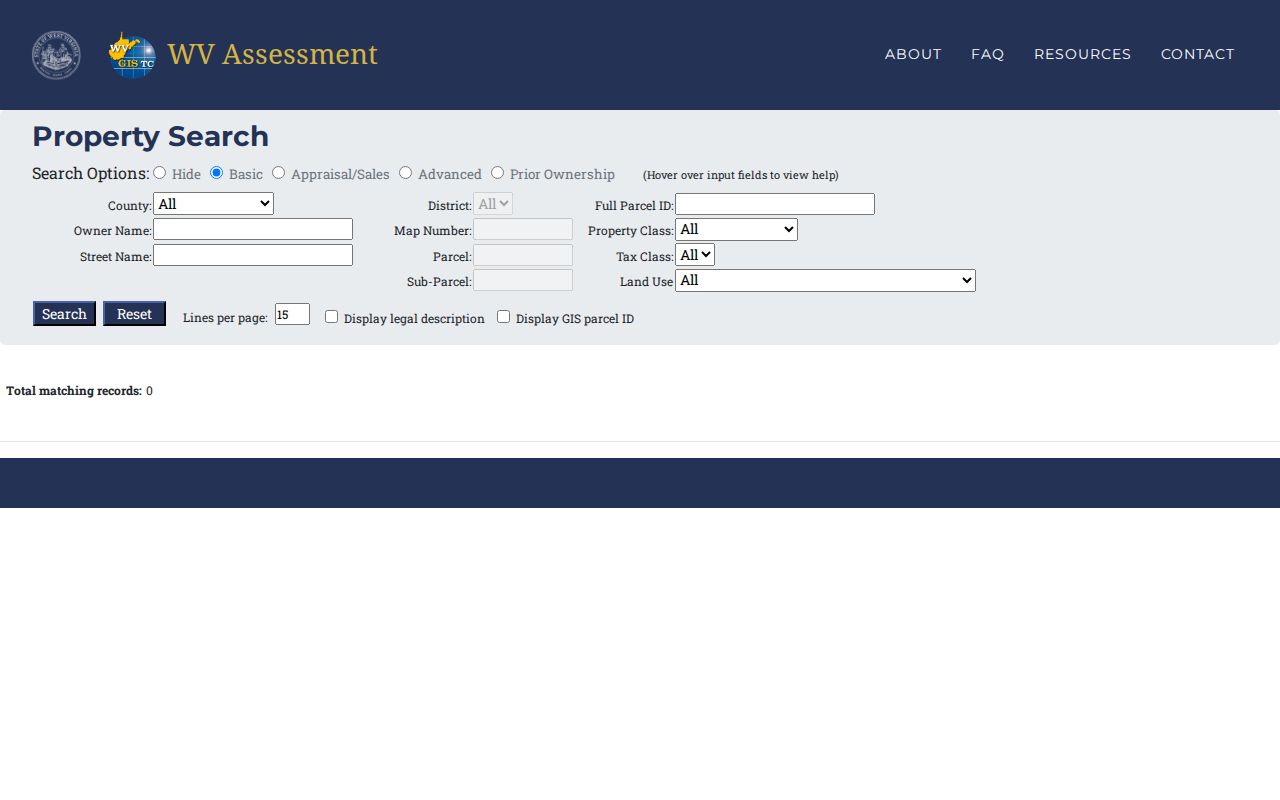
Pick the field that matches what you already know, then confirm the resulting parcel against the latest recorded deed.
When a Name Needs More Proof
A name on the Gilmer County tax roll can be stale. It may also be abbreviated or shared with other people. The same name may even sit on several parcels. To pin down the true owner of record, compare the district, map, parcel number, physical address, and legal description against each other. The Clerk index rewards patience too. Try likely punctuation and entity variants when searching grantor names there. A same-name grantor may show multiple deeds. In that case, the parcel description separates the transaction you need from unrelated land.
Timing and capacity can also cloud the picture. A recent sale may not hit the tax roll until well after its recording date. An estate often lists an executor or personal representative rather than an heir. A business name points you to its state filing. But the recorded deed still governs the actual land interest. Run these cross-checks. The current-owner answer then becomes traceable to a recorded source instead of a single display line.
Account for the July First Roll Date
A name alone can mislead. The Gilmer County tax roll may carry a stale entry, or it may hold a nickname or an abbreviated entity. Names repeat, too. One owner of record may hold several parcels across the county. Line up the district, map, and parcel number beside the physical address. Weigh the legal description as well before trusting any single field. Punctuation and entity variants are worth a second pass through the Clerk index.
Context sharpens the search. A recent sale can leave the tax bill lagging the recorded deed. An estate may list an executor rather than the heir. A business name should trace back to its state filing. But the recorded deed still controls the land interest. These cross-checks tie the owner of record to an actual instrument. That matters more than one display line in a property search.